The Rehabilitation of the Alfred Haywood House
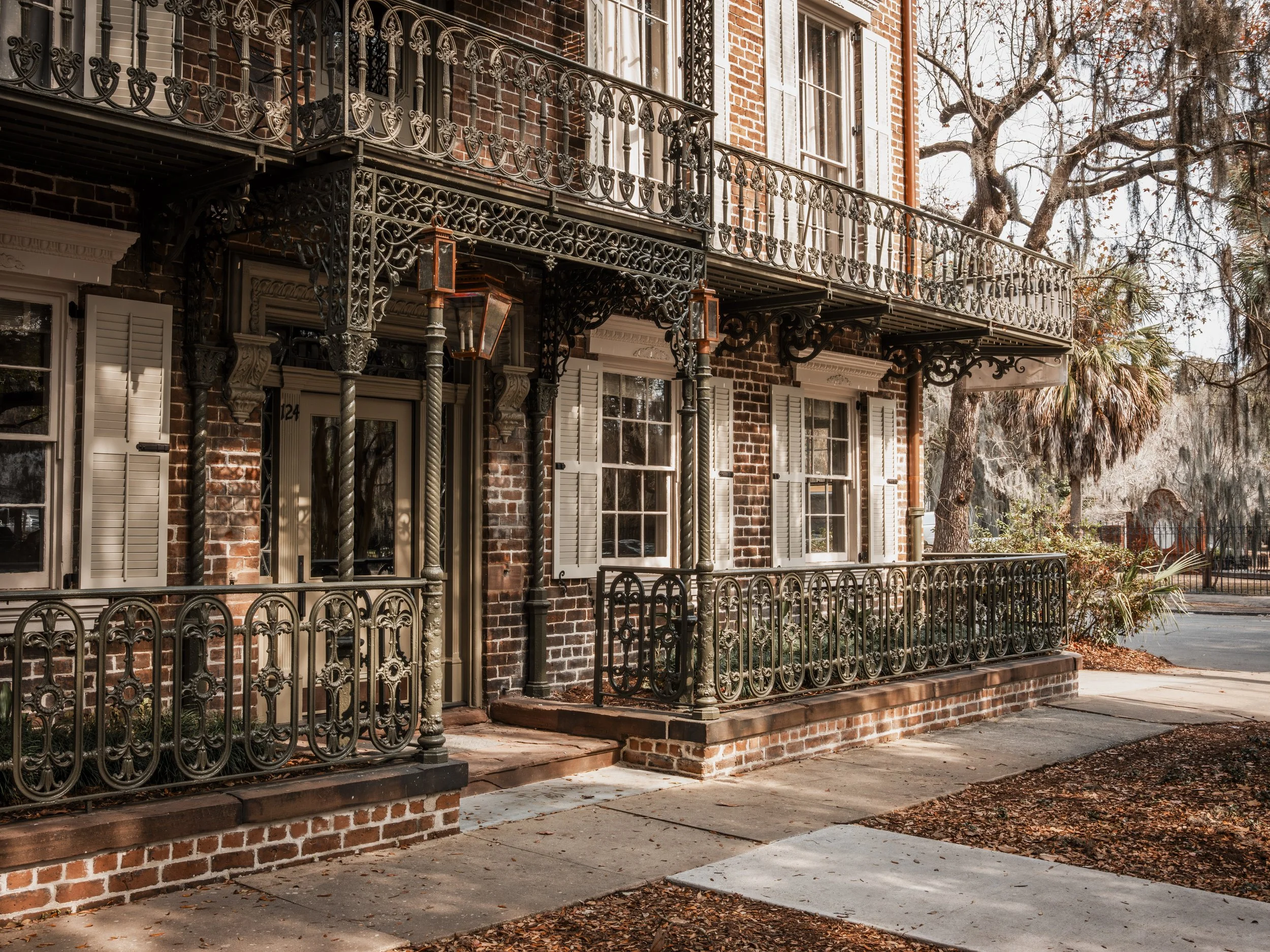
To restore a building in Savannah’s Landmark District is to engage in a process of subtraction. At the corner of McDonough and Abercorn Streets, the Alfred Haywood House, an "Exceptional" 1861 Italianate residence, had spent a century accumulating layers of utility: window-mounted AC units, surface-mounted electrical lines, and mid-century partitions that carved a grand family home into a series of apartments and offices.
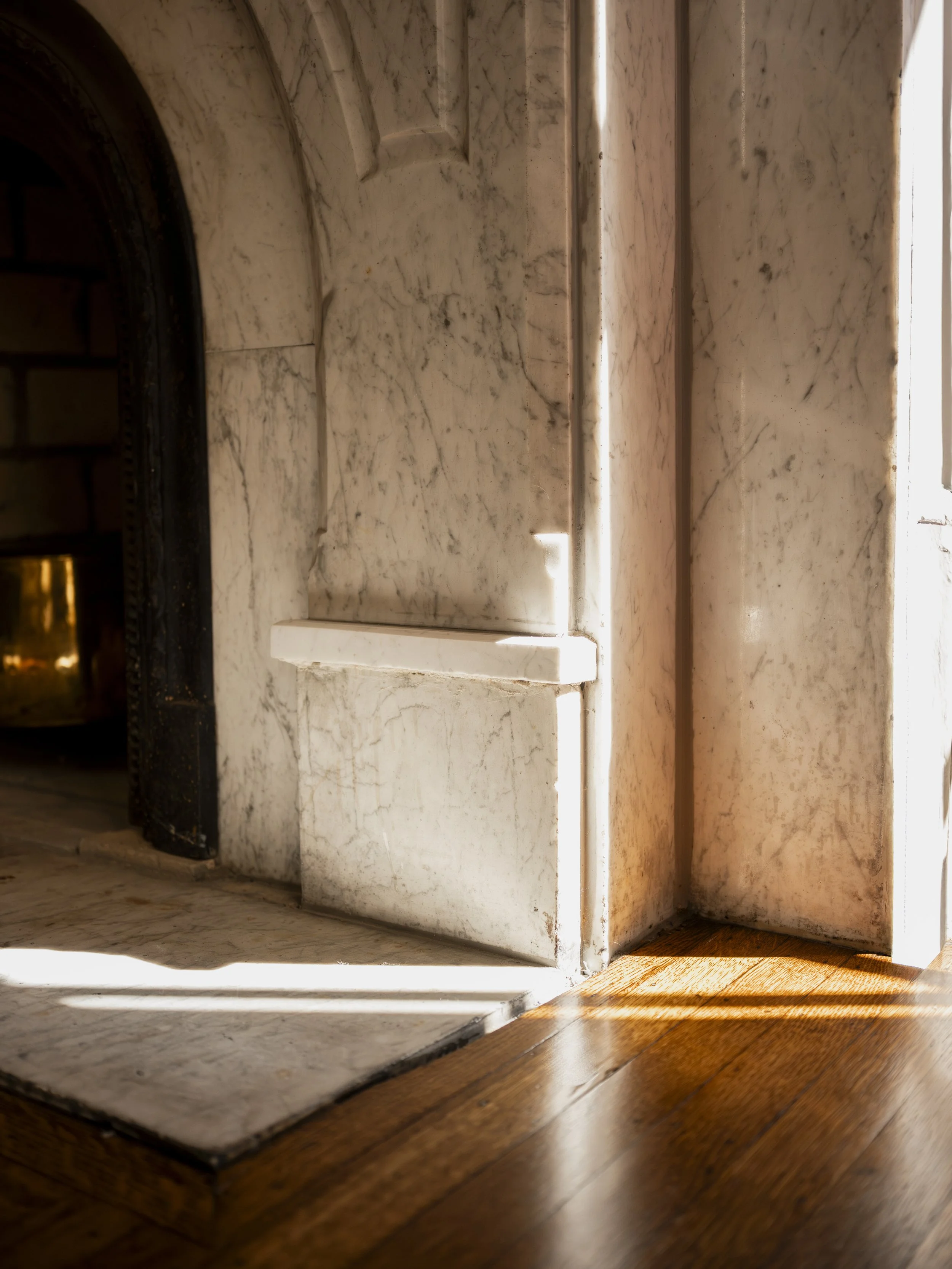
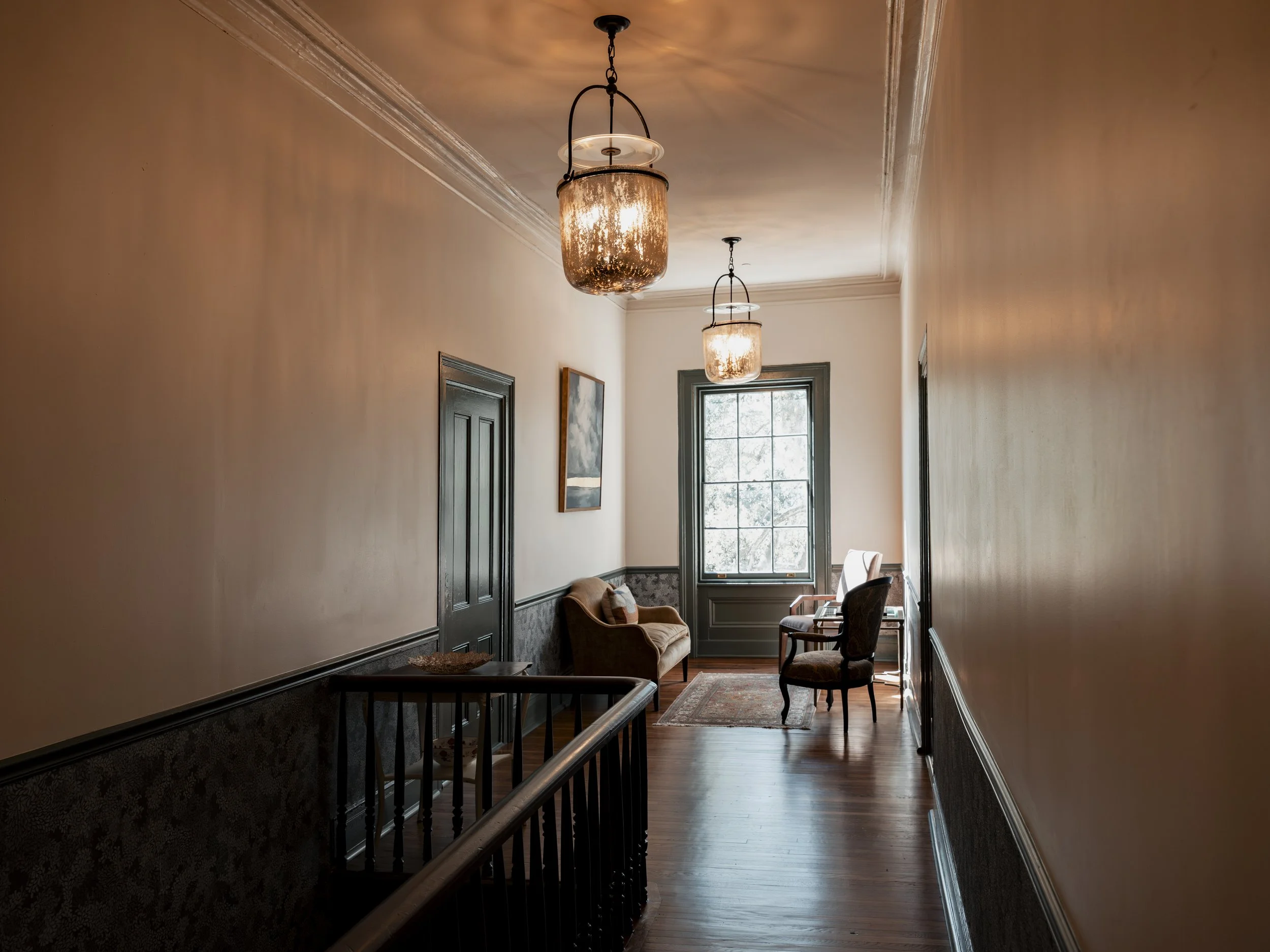
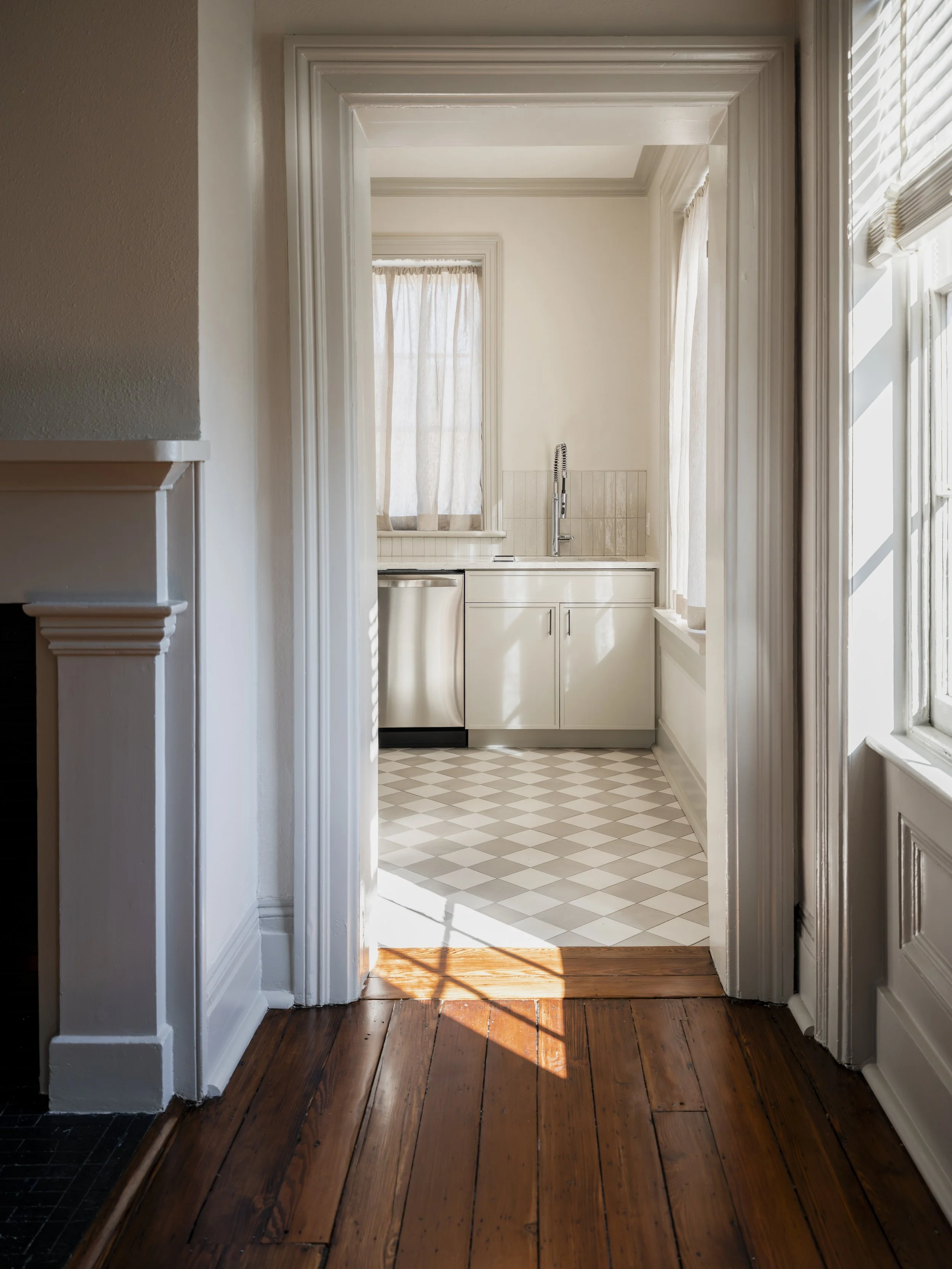
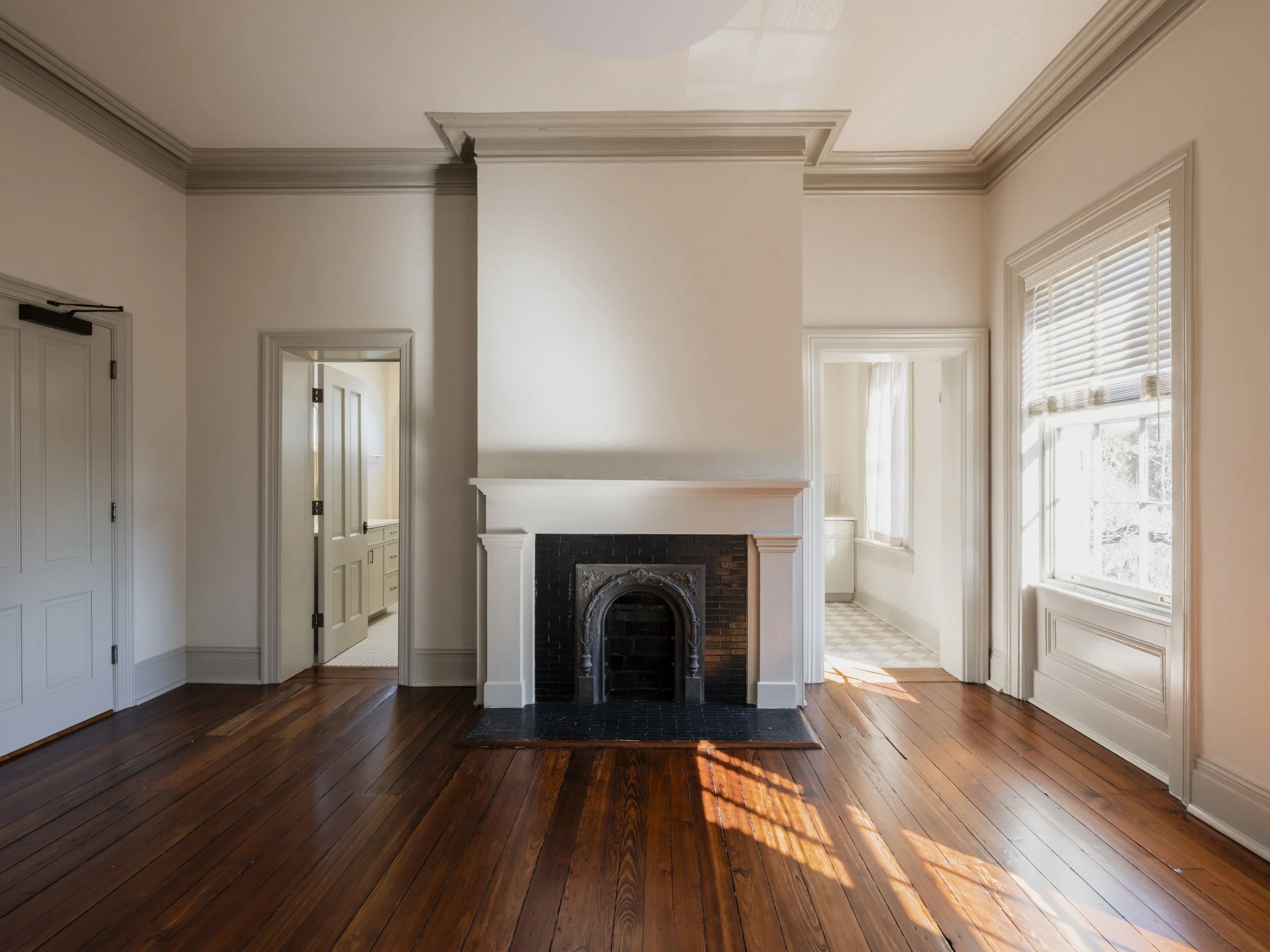
Our work on this site, in collaboration with Ethos Preservation and Pinyan Construction, was defined by a return to the 1861 period of significance. It was an exercise in removing the non-historic layers to reveal the original elements and character of the property.
The Anatomy of the Footprint
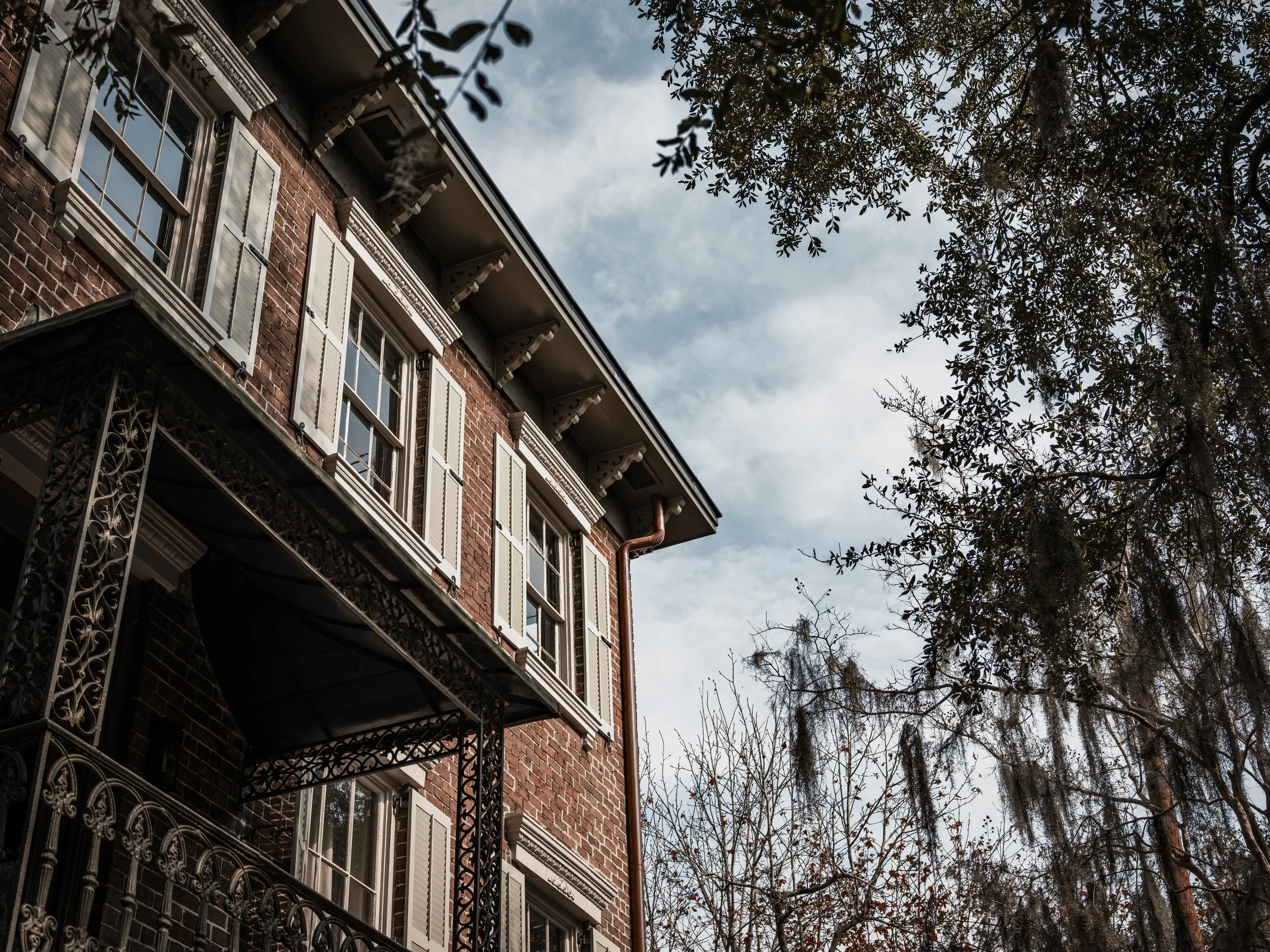
Completed for English ice merchant Alfred Haywood just before the Civil War, the house is a masterclass in the Italianate subtype. It is defined by its verticality, its hipped roof, and deep overhanging eaves supported by an array of intricate wood brackets. Walking the site, the continuity of the footprint is striking; Sanborn Fire Insurance Maps from 1884 and the 1937 WPA Cadastral Survey confirm that while the use changed, the geometry of the property remained remarkably stubborn.
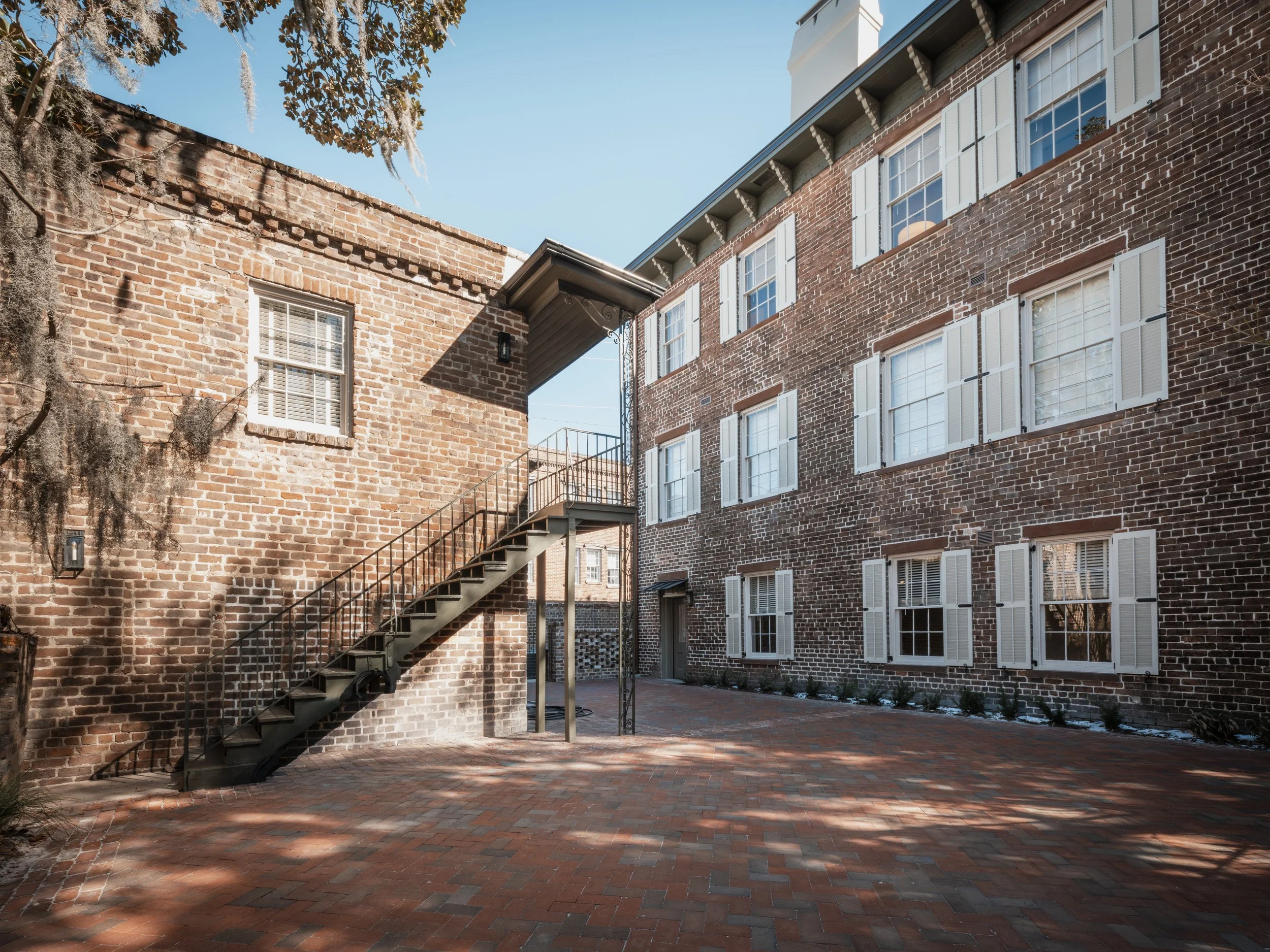
This permanence extends to the rear of the lot. The surviving two-story masonry carriage house, which originally served as a stable, remains a witness to the site’s full history. Around 1910, a second story was added, a space believed to have housed the nine individuals Haywood had enslaved on the property decades prior. In preservation, we do not get to choose which parts of the timeline to honor; we must stabilize the entire narrative, ensuring the masonry reflects the full, complex weight of its past.
Technical Sincerity: Cornices and Code
Restoring a landmark requires a departure from modern construction egos. You cannot simply apply 21st-century "fixes" to a building that was designed to move, breathe, and shed water differently than a modern steel frame. Our approach was defined by the following efforts:
The Invisible Gutter: The decorative cornice line is the house’s most distinct feature, yet it is also its most vulnerable. We reconstructed the cornice and developed a new internal gutter system, a bespoke piece of engineering that could be warrantied while remaining completely hidden within the historic detailing. It is a modern performance requirement disguised by 19th-century craft.
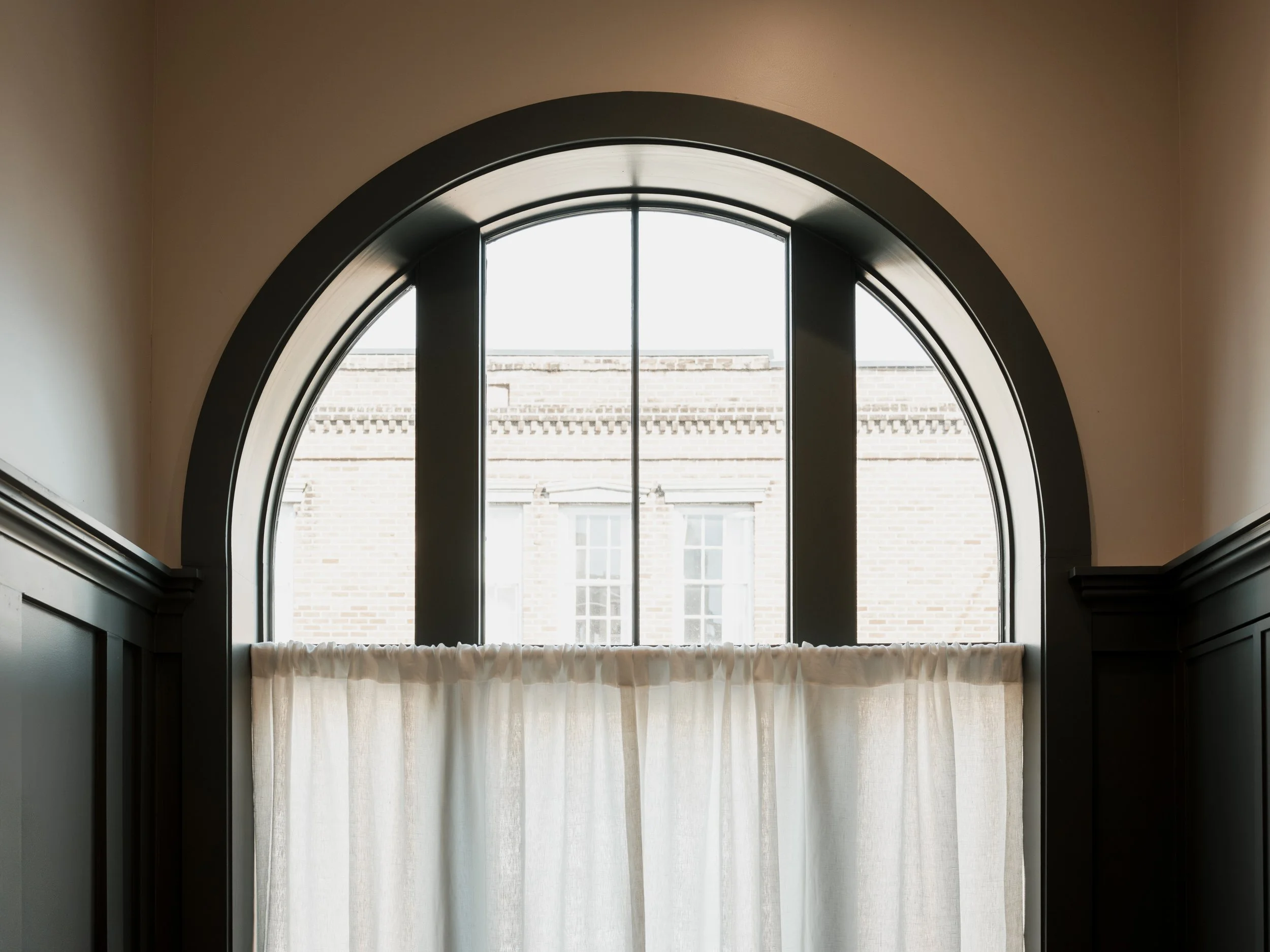
The Window Dialogue: One of the most delicate interventions involved developing a window enclosure system for the originally open balcony pattern. We chose a design that is intentionally "other" rather than imitative. By setting sill lines based on our best interpretation of historic rail elevations and using clad fixed windows with select proportions, we created a clear distinction between the new enclosures and the original 1861 fabric.
The Negotiation of Space: Meeting current egress and fire safety codes within a 160-year-old masonry shell is a puzzle of inches. This required a constant dialogue with the Fire Marshal’s Office to develop a code-compliant path that did not compromise the structural integrity of the three-story load-bearing brick walls or the original stucco-clad chimney on the east elevation.
The Residential Return
Preservation in Savannah is often misunderstood as an act of nostalgia. In reality, it is the only way to ensure the city’s architectural performance stays intact.
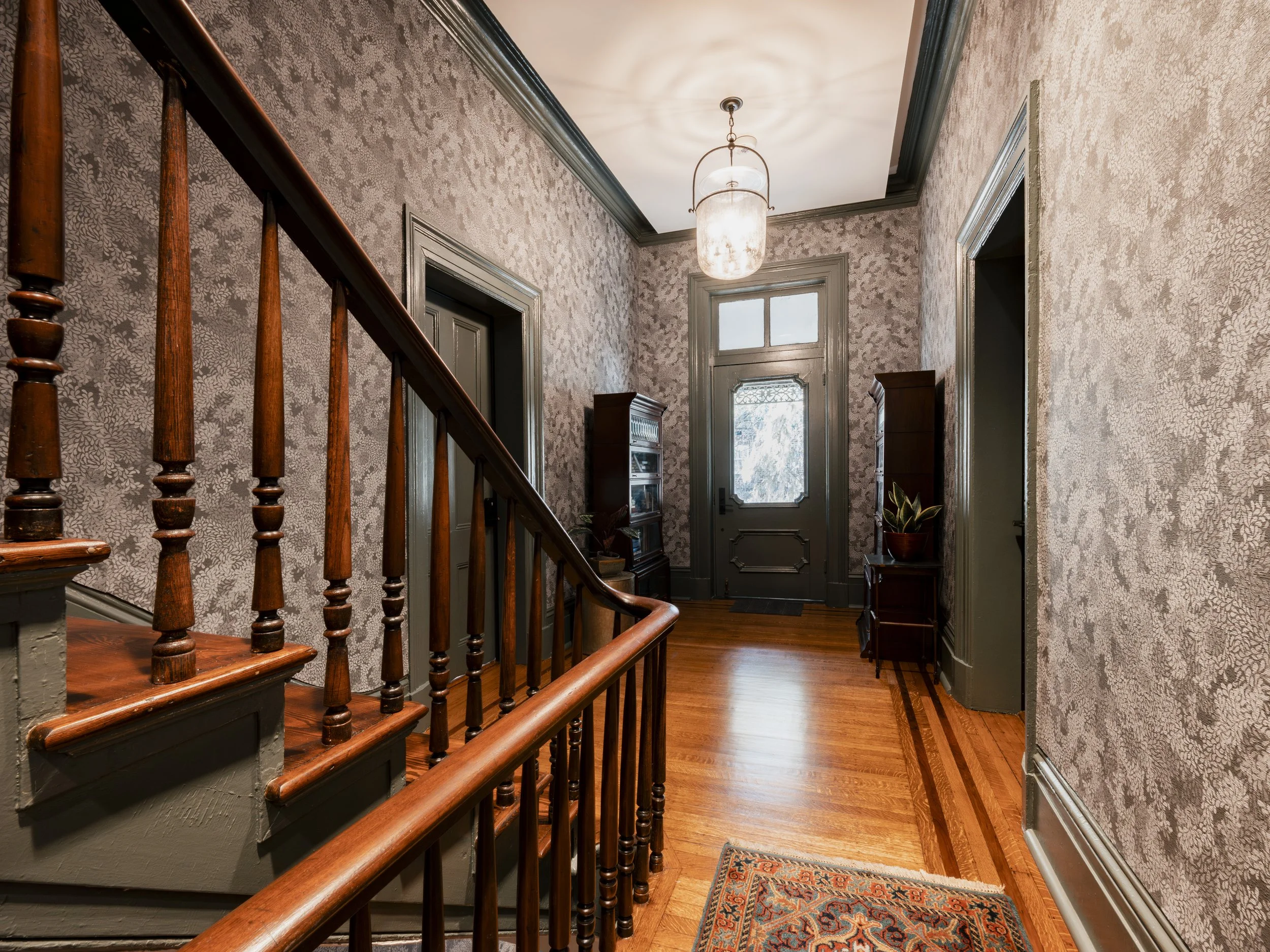
By stripping away the mid-century clutter and returning the Haywood House to its residential origins, we are proving that these "Exceptional" landmarks are not museum pieces, they are functional vessels for modern life. This project serves as a pioneer for the Brown Ward, demonstrating that sensitive restoration is the key to maintaining the character of the largest National Historic Landmark District in the United States. A building that has stood since 1861 does not need to be reinvented; it simply needs to be allowed to function again.