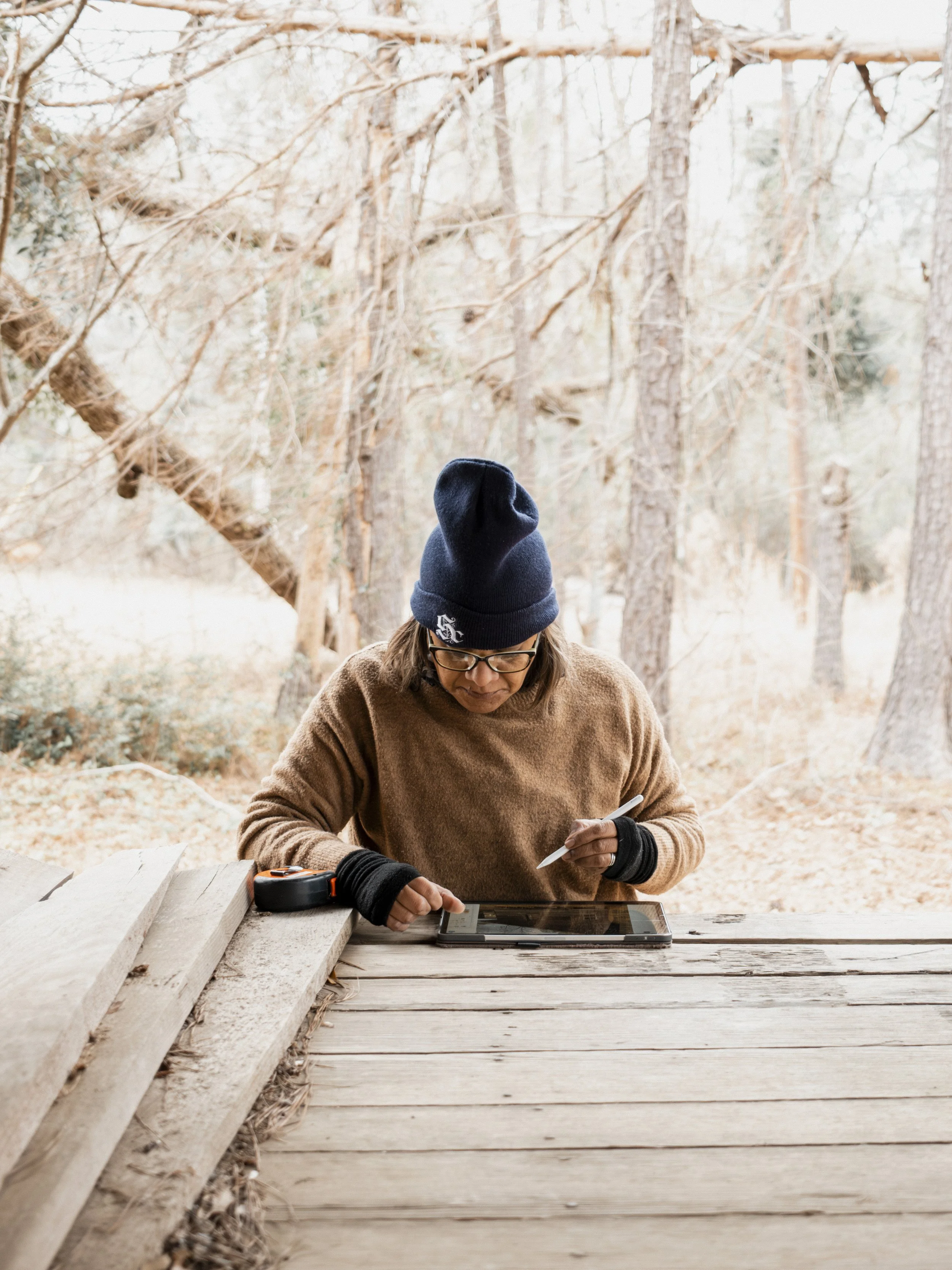
The Architecture of the Void: Restoring a 19th-Century Dogtrot
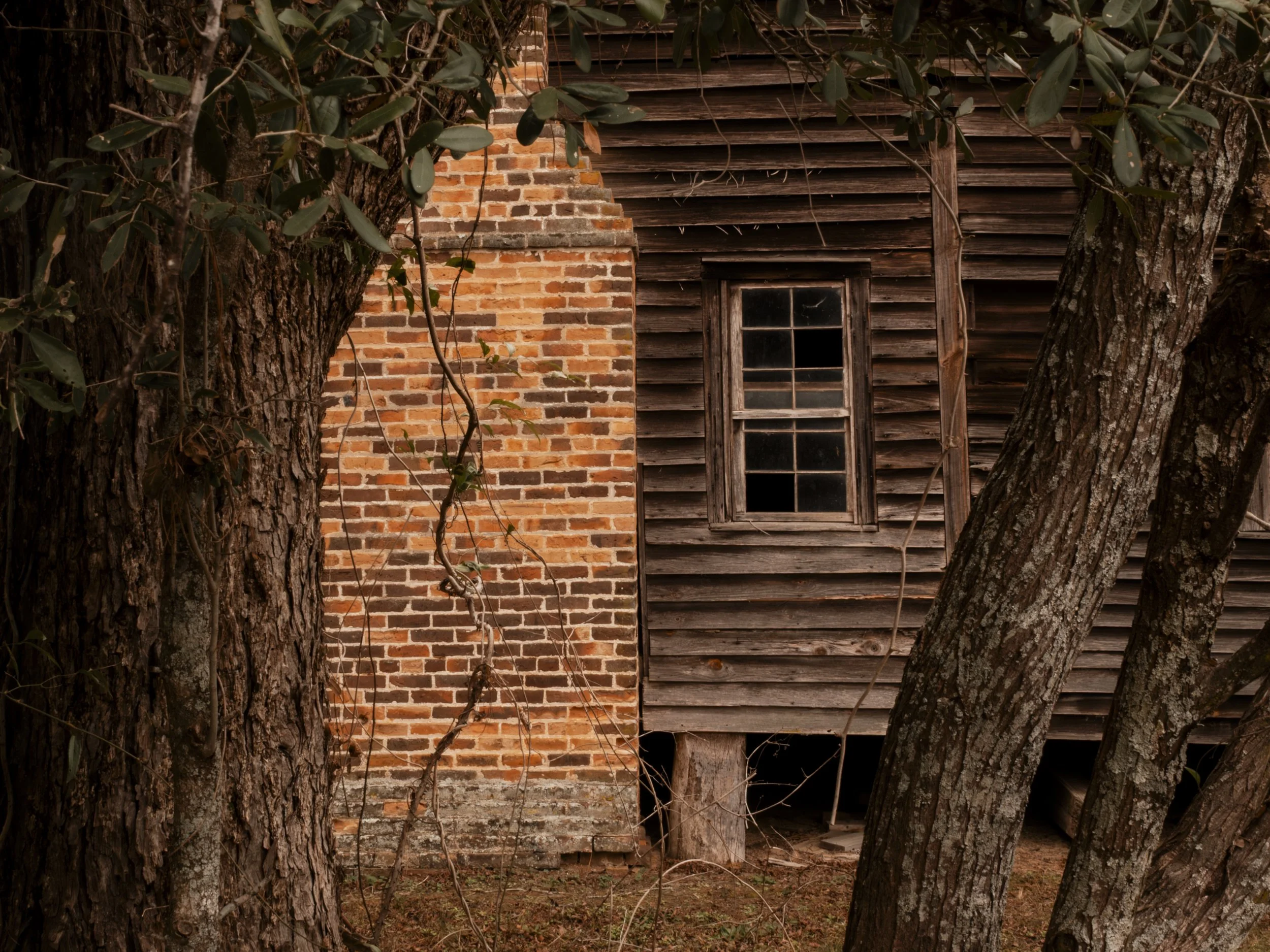
On a quiet stretch of family land in Reidsville, Georgia, stands a structure that has outlasted nearly every modern convenience. This dogtrot house, dating back to the early 1800s, is a case study in Southern survival. Our restoration work is centered on honoring the raw, functional logic of its original builders, while simultaneously translating the structure into its newest chapter and iteration, making it into a useable piece of architecture once more.
Getting to the site is a lesson in Georgia’s rural scale. The drive from Savannah to Reidsville takes you past Fort Stewart and through a string of towns whose only claim to the modern grid is a single, solitary stoplight. The house sits tucked away, surrounded by timber, adjacent to an old general store on a property with sales records reaching back to the turn of the 19th century.
Walking the site, the home’s evolution becomes clear. The original "pen" served as the primary living quarters; a later addition followed, utilizing slightly different construction methods that tell the story off a toolkit that was expanding over time.
The Architecture of the Void
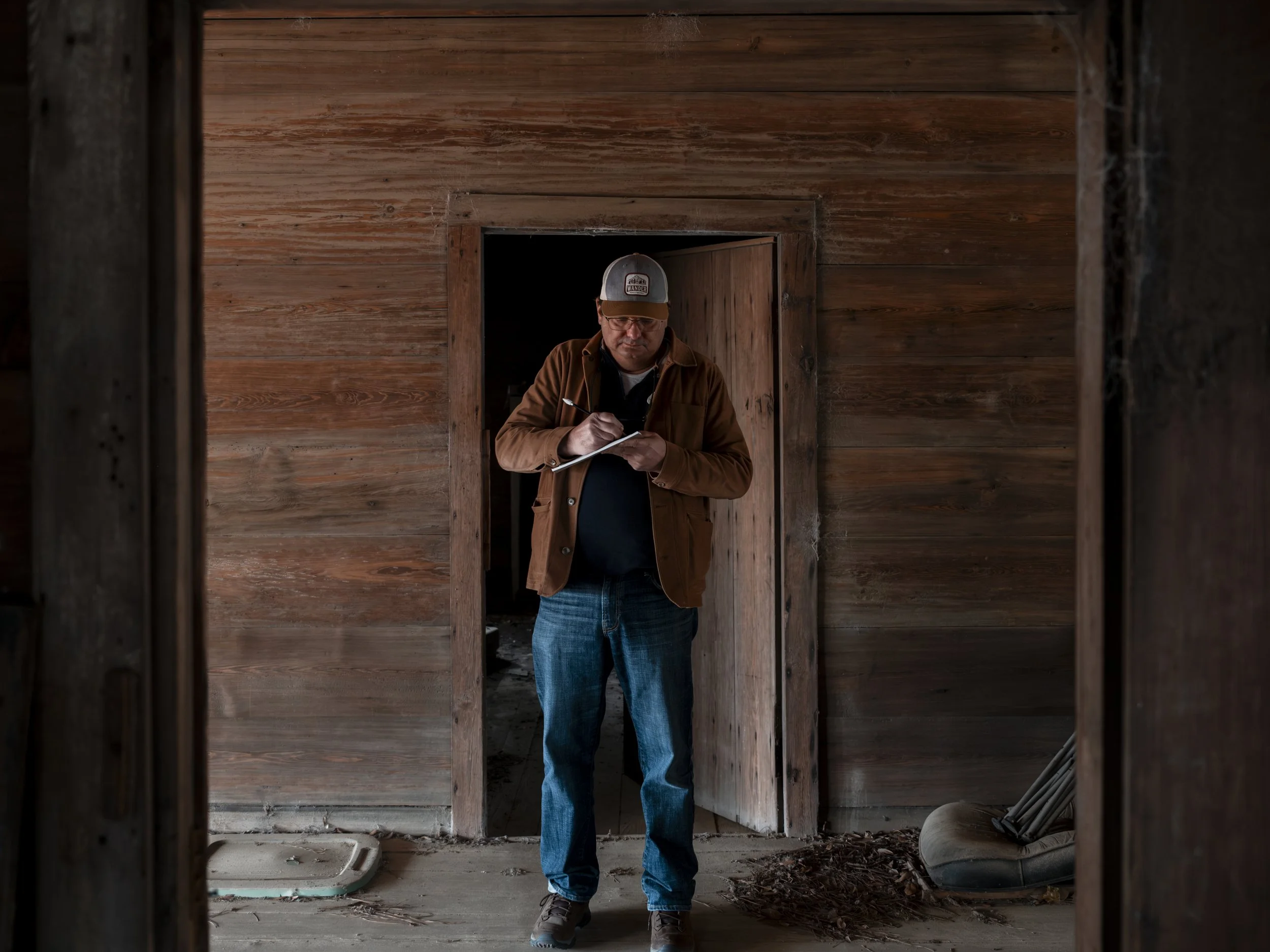
The dogtrot is defined by what isn’t there. Historically, the home consists of two independent "pens", separate log cabins, connected by a central, open-air passage under a single, continuous roofline.
As a precursor to modern passive cooling, the design was purely pragmatic. By leaving the center open, the builders utilized the Venturi effect: air is pulled through the narrow central "trot," accelerating the breeze and naturally cooling the heavy log walls. In the sweltering Georgia summers of 1820, this breezeway was the heart of the home—a shaded gallery for work, rest, and social life.
Preservation Tactics: Stability over Novelty
One of the most remarkable aspects of this structure is its foundation. It doesn't sit on a concrete slab or even a brick pier. Instead, the entire house is resting on actual tree stumps.
Known as fat-lightered stumps, these are the remnants of resin-heavy, old-growth heart pine. These stumps were chosen because their high resin content acts as a natural preservative, resisting rot and termites for centuries. They are the original "plinths" of the South.
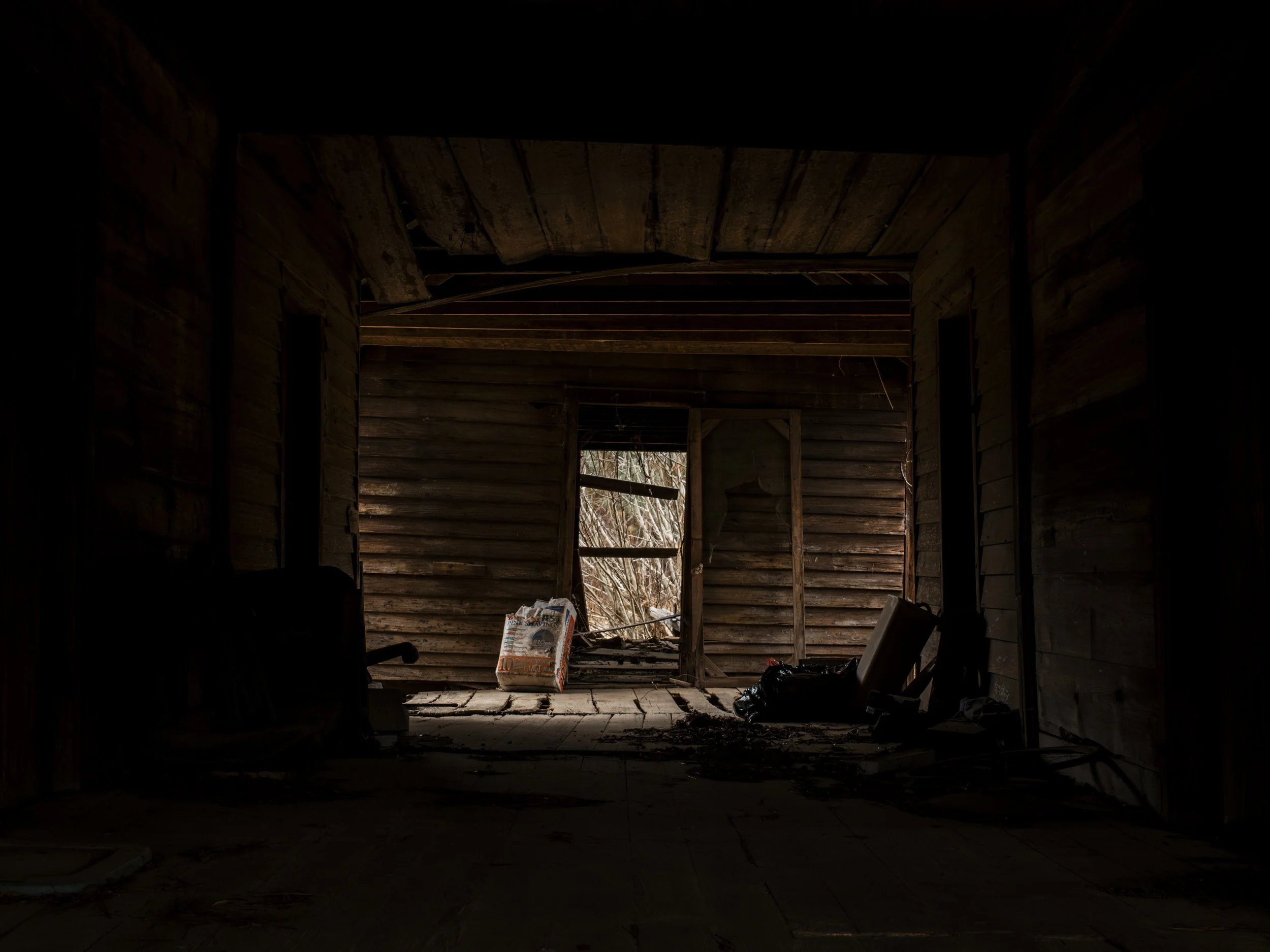
Restoring a structure that is literally balanced on nature requires a departure from modern construction egos. The uniqueness of these methods means we cannot simply apply 21st-century "fixes" without compromising the building's integrity. Our approach is defined by technical sincerity:
The existing structure incorporates a unique siding assembly that our team is currently studying in detail. Our goal is to develop a thorough understanding of its construction and condition, allowing us to rehabilitate the existing material and integrate new components without compromising the building's original character or performance.
Insulation is a key element in our restoration process. Our team is actively exploring innovative ways to add insulation to the existing structure without disturbing the design and integrity of the existing walls. While the dogtrot configuration provides a measure of passive heating and cooling historically, it is important to accommodate modern comforts without sacrificing the unique design language of the structure.
Insulation is a key element in our restoration process. Our team is actively exploring innovative ways to add insulation to the existing structure without disturbing the design and integrity of the existing walls. While the dogtrot configuration provides a measure of passive heating and cooling historically, it is important to accommodate modern comforts without sacrificing the unique design language of the structure.
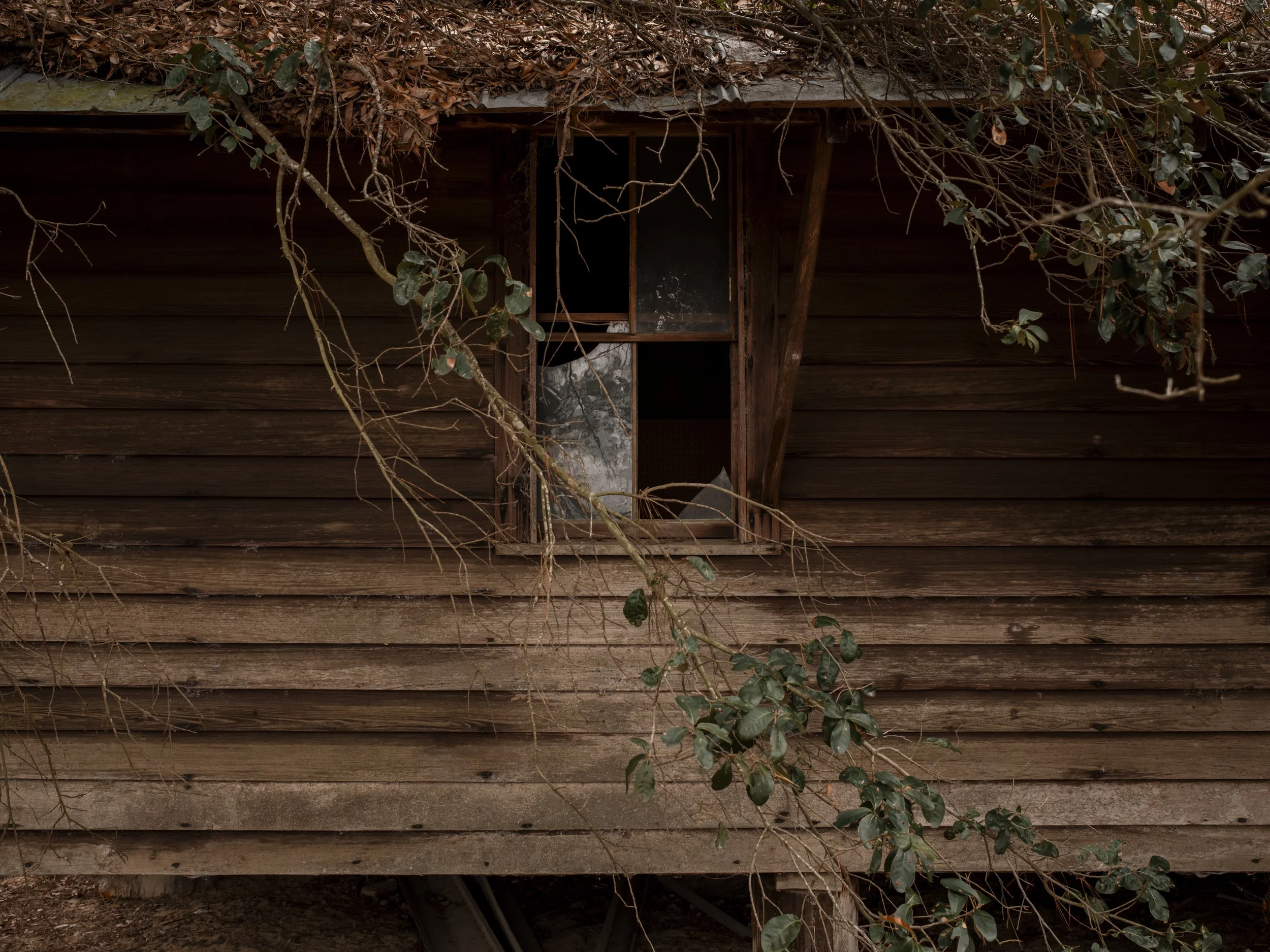
Why We Preserve
Preservation is often misunderstood as a hobby for the nostalgic. In reality, it is an act of environmental and cultural sustainability.
When we walk through this Reidsville home, we are experiencing the same thermal shifts and tactile surfaces that a family felt two centuries ago. Keeping that experience alive isn't just about history; it's about maintaining a connection to a slower, more intentional way of building. There is a profound lesson in a house that stays cool simply by existing.