The Restoration of Mother Trinity Church
The Mother Church
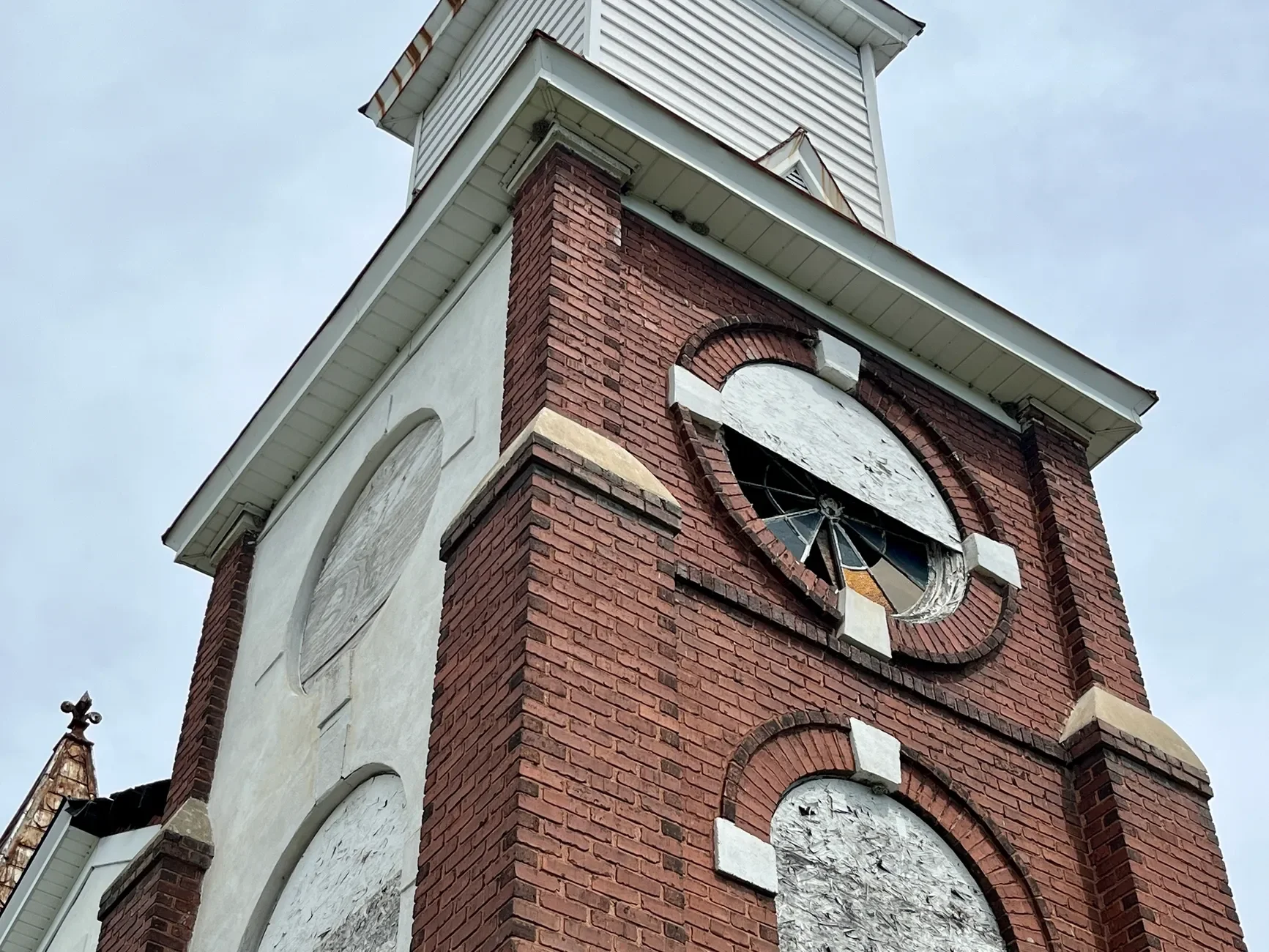
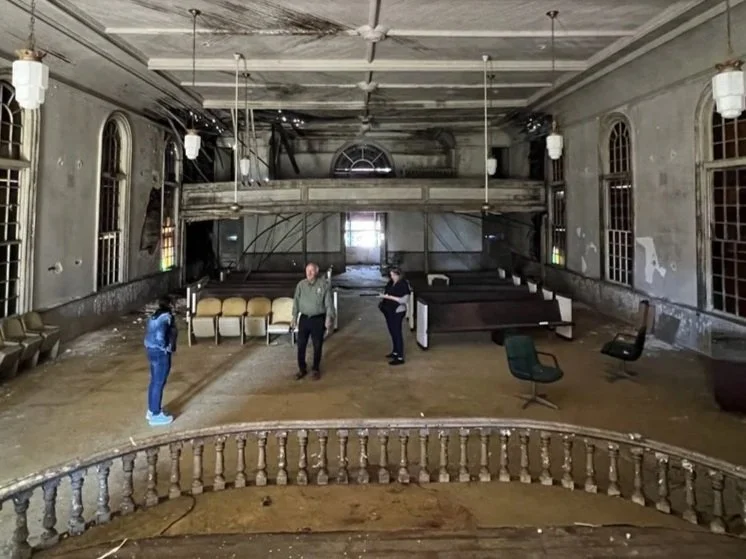
902 Eighth Street sits in a part of Augusta that most people pass through without stopping. The building there, a red brick sanctuary with Gothic arched windows and twin corner spires, has been empty long enough that the roof has started to let the sky in. Inside, you can still see the curved balcony rail, the plaster ceiling, the remnants of a room that was built to hold something important.
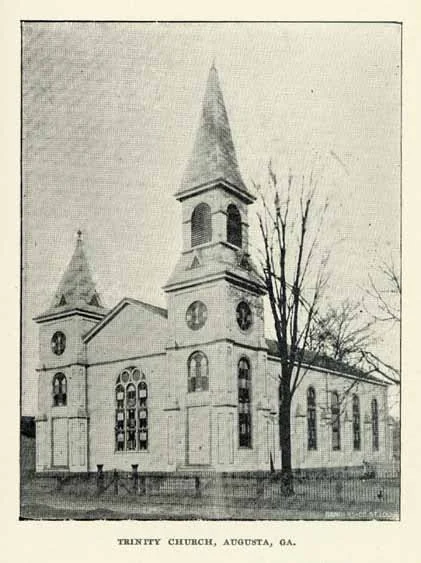
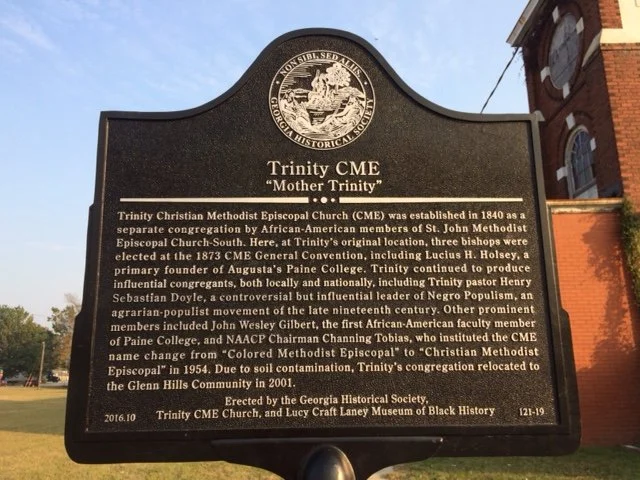
Mother Trinity C.M.E. is the Mother Church of the Christian Methodist Episcopal denomination. Built in the mid-1800s, relocated from its original site, and added to across more than a century of use, it is also a documented African American Civil Rights site, which is part of why the National Park Service is funding its restoration.
SHAH has been selected to lead that work.
The project is being administered through the Augusta Canal Authority in partnership with GreenRock Partners, with NPS grant funding supporting the first phase. Our scope covers the full arc of that phase: existing conditions survey, structural assessment, a long-term restoration master plan, construction documents, and construction administration. Future phases will follow as additional grants are secured.
This is a restoration project, not a rehabilitation. That distinction matters. Rehabilitation allows for adaptation, updating a building to serve a new purpose while accepting some change to its historic character. Restoration is more exacting. The goal is to return the building to a specific period of significance, and every decision made along the way has to hold up to review by the NPS and the Georgia State Historic Preservation Office. Construction documents don't move forward until both agencies sign off.
The Secretary of Interior Standards for Rehabilitation govern all of it, and working within those standards is not simply a compliance exercise. It shapes how you think about every material choice, every repair method, every system you introduce into a building that wasn't designed to carry them. Running mechanical, electrical, and plumbing through a 19th-century sanctuary without intruding on its historic fabric requires a level of problem-solving that you don't get from a standard set of construction drawings.
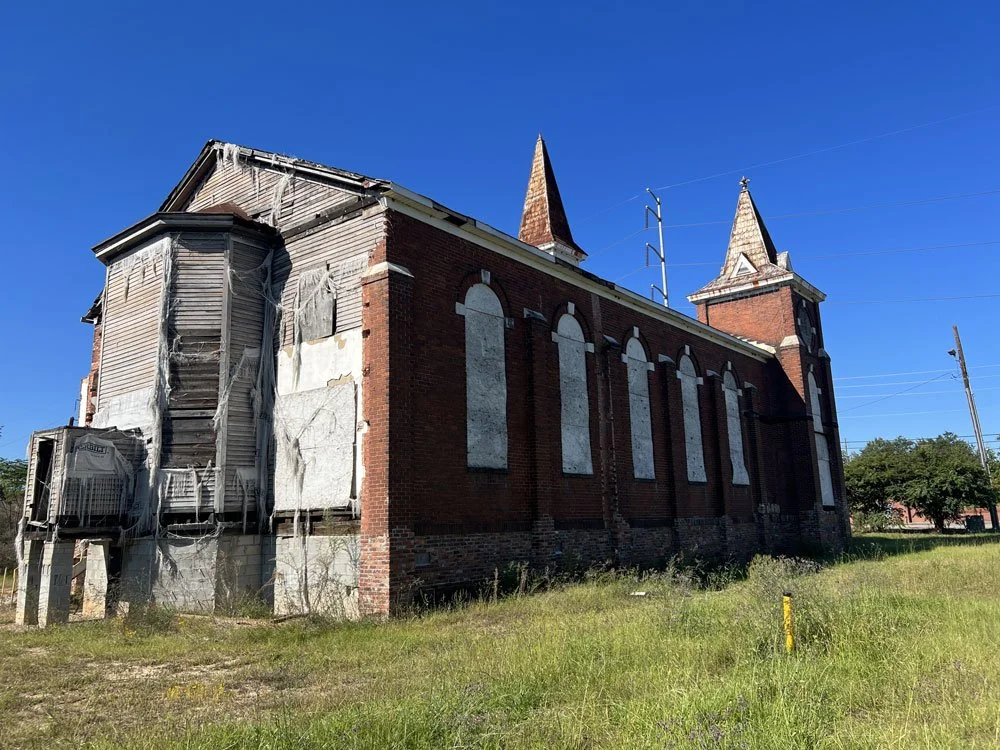
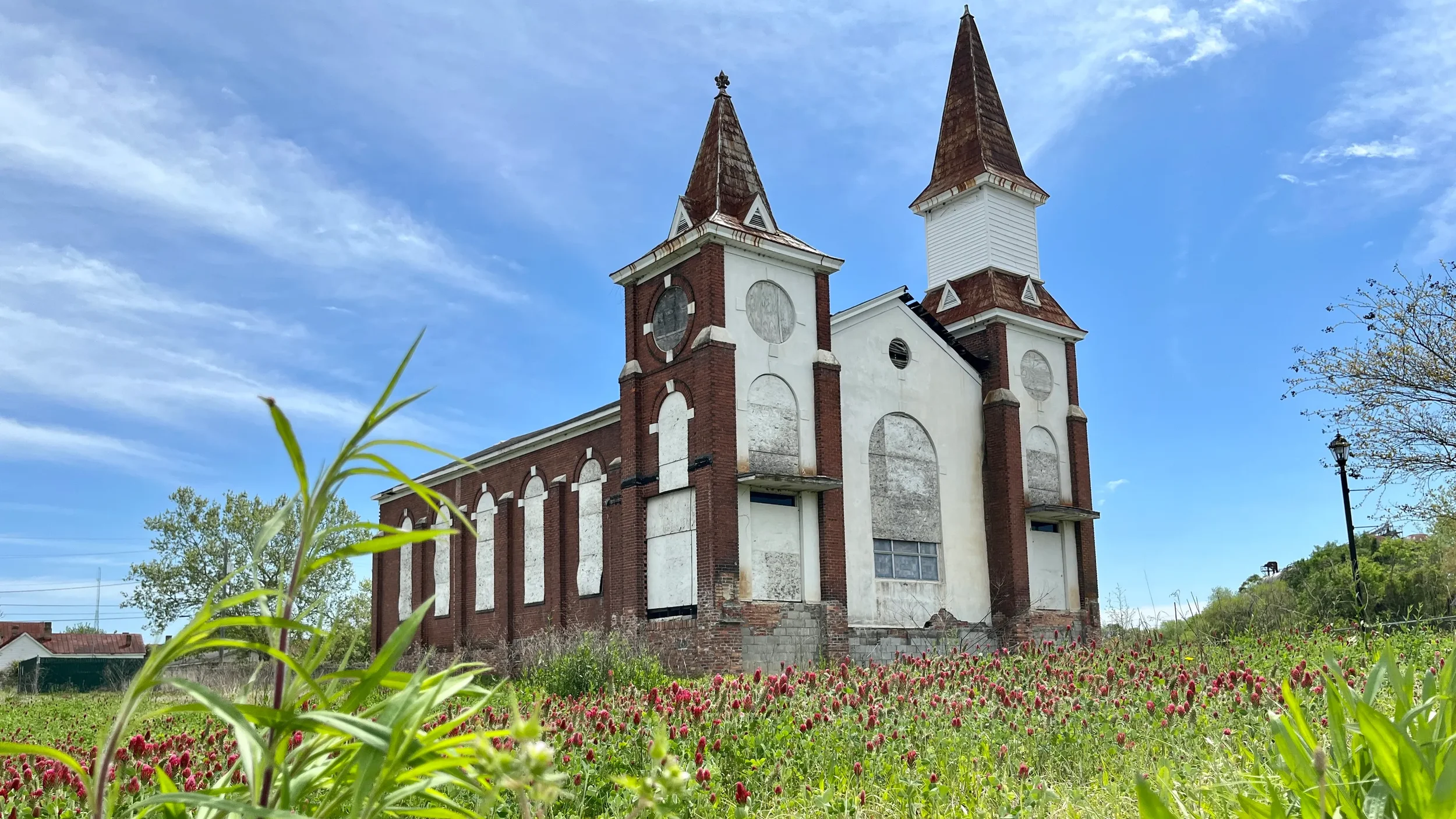
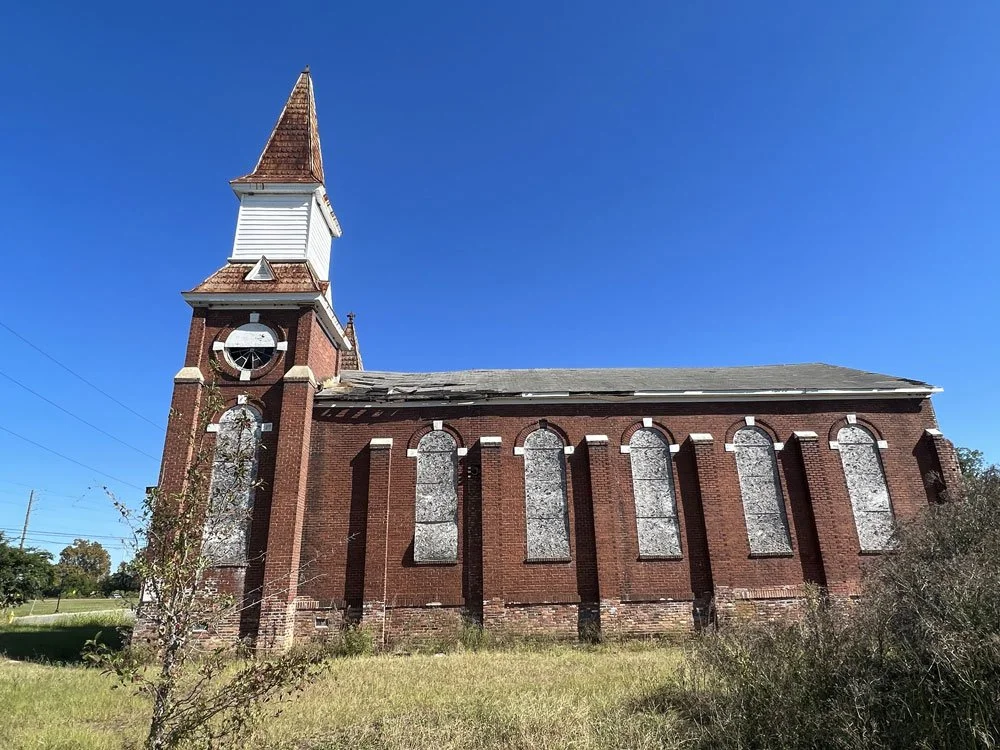
The immediate priority is the roof. Water has been getting in for long enough to do real damage to the interior, and stabilizing the building envelope is the precondition for everything else. Once the structure is protected, the work turns to the longer view: what the building is, what it was, and what it can become. The current plan does not return it to active use as a church. The vision is a restored structure that anchors a broader effort to draw people to the Augusta Canal corridor and the surrounding neighborhood.
Jerry Lominack FAIA, who has been part of the SHAH team for years, has a particular history with this building. Lominack Kolman Smith Architects completed the Historic Structure Report that forms the baseline for all of our assessment work. That continuity matters. A building like Mother Trinity carries decades of decisions layered on top of each other, and having someone who already knows the structure, who has already done the archival work and walked the site, compresses the learning curve significantly.
The timeline is tight by design. NPS grants are structured to be spent within a 12-month window, which means the work has to move with intention from the start. Assessment, documentation, master planning, and first-phase construction documents all need to happen in sequence and on schedule.
We'll share more as the work develops.